
Anna Kosenko, Associate Director, Biomarker Operations, BioNTech
We are pleased to spotlight Anna Kosenko, Associate Director, Biomarker Operations at BioNTech, one of the expert speakers headlining the agenda of the inaugural Biomarker Operations & Specimen Management Summit.
Five years ago, biomarker operations and biospecimen management scarcely existed as a dedicated function. Now it's a core component of every sample-intensive trial. What has caused the surge in demand for dedicated teams, or have these roles always existed and are only now getting the recognition they deserve?
I don't think biomarker operations and biospecimen management suddenly appeared in the last five years; what has changed is the visibility of the function.
Many of these activities have existed for years, but they were often distributed across different teams or embedded within groups such as Clinical Operations, Translational Sciences, or Data Management. Because much of the work happened behind the scenes, successful sample management often appeared almost automatic, even though it required significant coordination.
What has changed is the increasing complexity of clinical trials. The rise of precision medicine and biomarker-driven development has significantly increased the volume of biospecimens, the number of stakeholders involved, and the amount of data that must be connected to those samples. Studies are more sample-intensive, global, and operationally complex than they were a decade ago.
In my view, the work itself is not entirely new, but the scale and importance of it are. As organizations recognized that biospecimen management has a direct impact on sample quality, data integrity, and ultimately study outcomes, there has been a greater appreciation for the specialized expertise needed to manage the entire sample lifecycle. That's why these functions have become more visible and increasingly recognized as strategic partners rather than purely operational support teams.
Biomarker operations teams own the entire sample lifecycle: selection, collection, tracking, data and storage. Which part of that chain causes the most problems in practice, and is it the one people expect?
I think the question assumes there is one step that causes the most problems, but in my experience that's rarely the case. The biggest challenges usually arise when people focus on their individual step in the process without fully considering the end-to-end biospecimen lifecycle.
Every stage of the sample lifecycle involves different teams, processes, and systems, each with its own priorities and constraints. The real risk emerges at the handoffs, where decisions made early can create unintended downstream challenges. That's where biomarker operations and biospecimen management teams play a critical role, connecting the dots and anticipating impacts across the full lifecycle.
So, if I had to point to the most common source of problems, it wouldn't be a specific step. It would be a lack of end-to-end thinking when studies are designed, planned, and executed.
Where do you see AI streamlining this function first, and where is it still overpromised?
We all love talking about AI these days, don't we? It's hard to attend a conference without it coming up, and rightfully so. AI is not going anywhere, and I think we should embrace it as it becomes increasingly integrated into the way we work.
For biomarker operations and biospecimen management, I see the biggest near-term opportunities in administrative and repetitive tasks. Things like information retrieval, document drafting, data review, summarization, and helping teams navigate large volumes of information are all areas where AI can already provide real value. If you have structured, reliable data and a clearly defined problem, AI can be extremely effective.
One area that often comes up in our field is sample tracking. At first glance, it seems like a perfect candidate for AI. In reality, sample tracking is much more complex than it appears. Information is spread across multiple systems, vendors, laboratories, and stakeholders, often using different standards and data structures. The challenge is usually not the AI itself, but the lack of a single, consistent, and well-structured data foundation for AI to work from.
Interestingly, this ties directly to one of the topics we'll be discussing during our data management panel at the summit. Many of the challenges in biomarker operations come back to data accessibility, standardization, and interoperability. My colleague Sachi will also be presenting on how our team has started incorporating AI into our day-to-day work, which is where I think some of the most practical applications are emerging today, using AI to help teams work more efficiently while recognizing that good outcomes still depend on strong data foundations.
Find the full session details here.
Sample tracking has been the bane of biomarker operations teams' lives. Where do you see the cleanest solutions, and is this a technology problem or a process one?
I don't think there is a single magic solution, and I don't think sample tracking challenges can be attributed solely to technology or process. In reality, it's a combination of several factors that need to work together.
In my view, building a successful biomarker operations and biospecimen management capability requires four key components: people, process, technology, and data. All four need to be mature and functioning in sync.
When people talk about improving sample tracking, the conversation often focuses on technology. Technology is certainly important, but it can only be as effective as the processes, data, and people who operate it. If expectations, ownership, workflows, and data flows are not clearly defined, even the best tracking platform will struggle to deliver the desired outcome.
For me, the most important process is not sample tracking itself. It's the process of planning an operational strategy and setting a study up for success from the beginning. Decisions made during study design and startup often determine sample visibility, data quality, and operational efficiency downstream.
Ultimately, it comes back to maintaining a clear view of the entire biospecimen lifecycle. When studies are planned with that end-to-end perspective in mind, the people, processes, technology, and data can work together much more effectively, and many of the sample tracking challenges become easier to solve.
If you could take one core learning from the inaugural Biomarker Operations & Biospecimen Management Summit, what would you hope it would be?
I suspect that one of the biggest takeaways from the inaugural Biomarker Operations & Biospecimen Management Summit will be the realization that many of us are facing the same challenges. In some ways, these events can feel like a group therapy session for a niche industry, bringing together professionals who are all trying to solve similar operational, data, and sample management hurdles.
The real value is the opportunity to learn from one another rather than tackling these challenges in isolation. That is also one of the reasons I value my involvement with the Biospecimen Management Consortium (BMC), which works to advance best practices and greater standardization across the biospecimen community.
Personally, I hope to leave the summit with one of two outcomes:
- Validation that the challenges we are facing and the solutions we are pursuing are aligned with the broader industry
- New insights from peers who have successfully approached these problems in a different way.
I'd consider either outcome a success. You can discover how to join me here.
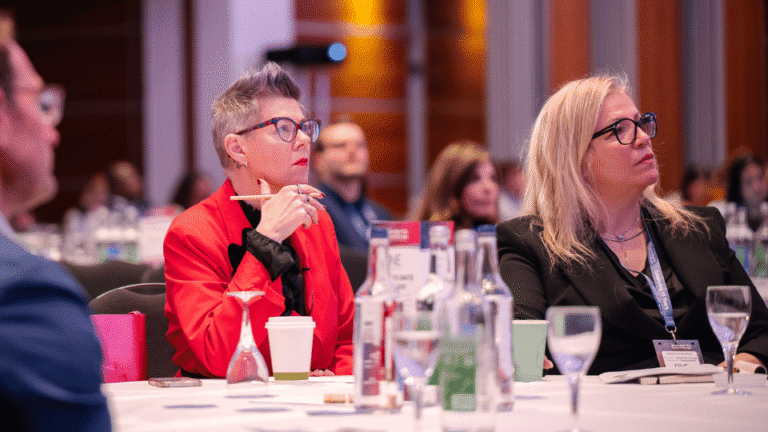
Discover the New Agenda
Hear the latest breakthroughs in biomarker operations and gain exclusive insights across industry-led sessions, interactive BMC roundtables, and discussion-based panels
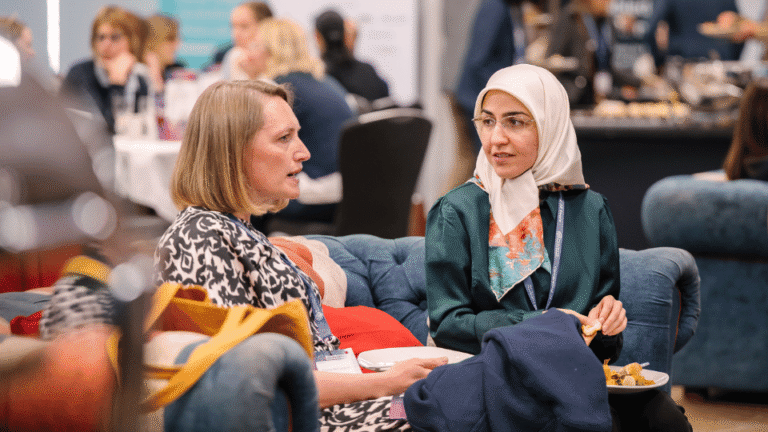
Partner With the Future
Position your organization directly alongside the architects of modern biomarker operations to ensure your brand is at the heart of every sample lifecycle decision
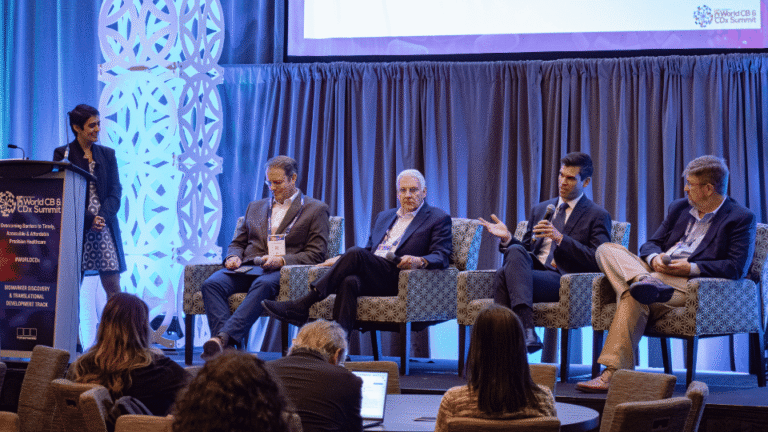
Join Biomarker Stakeholders
Be part of the first forum dedicated to this space, connecting with senior decision-makers from biopharma, central labs, and diagnostics across two action-packed conference days